01
Wireless installation, battery powered
Know rising water levels before it becomes an incident
Battery-powered NB-IoT water-level sensors monitor sumps, underground passages and low-lying areas, with graded alerts and pump-failure notifications.
Powered by SenseOS|Engineering-grade deployment with 3,000+ devices connected locally
Published Updated
At a glance
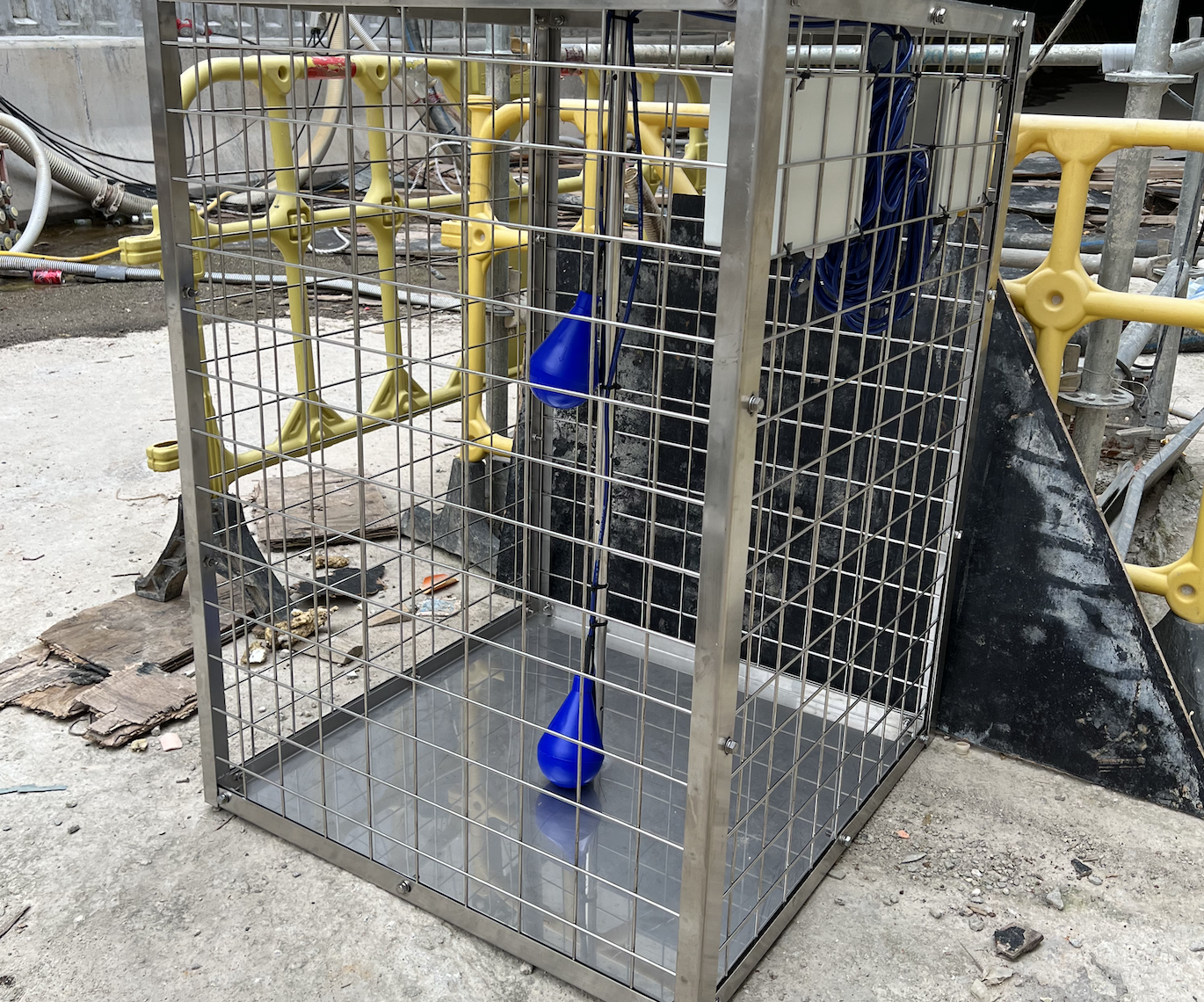
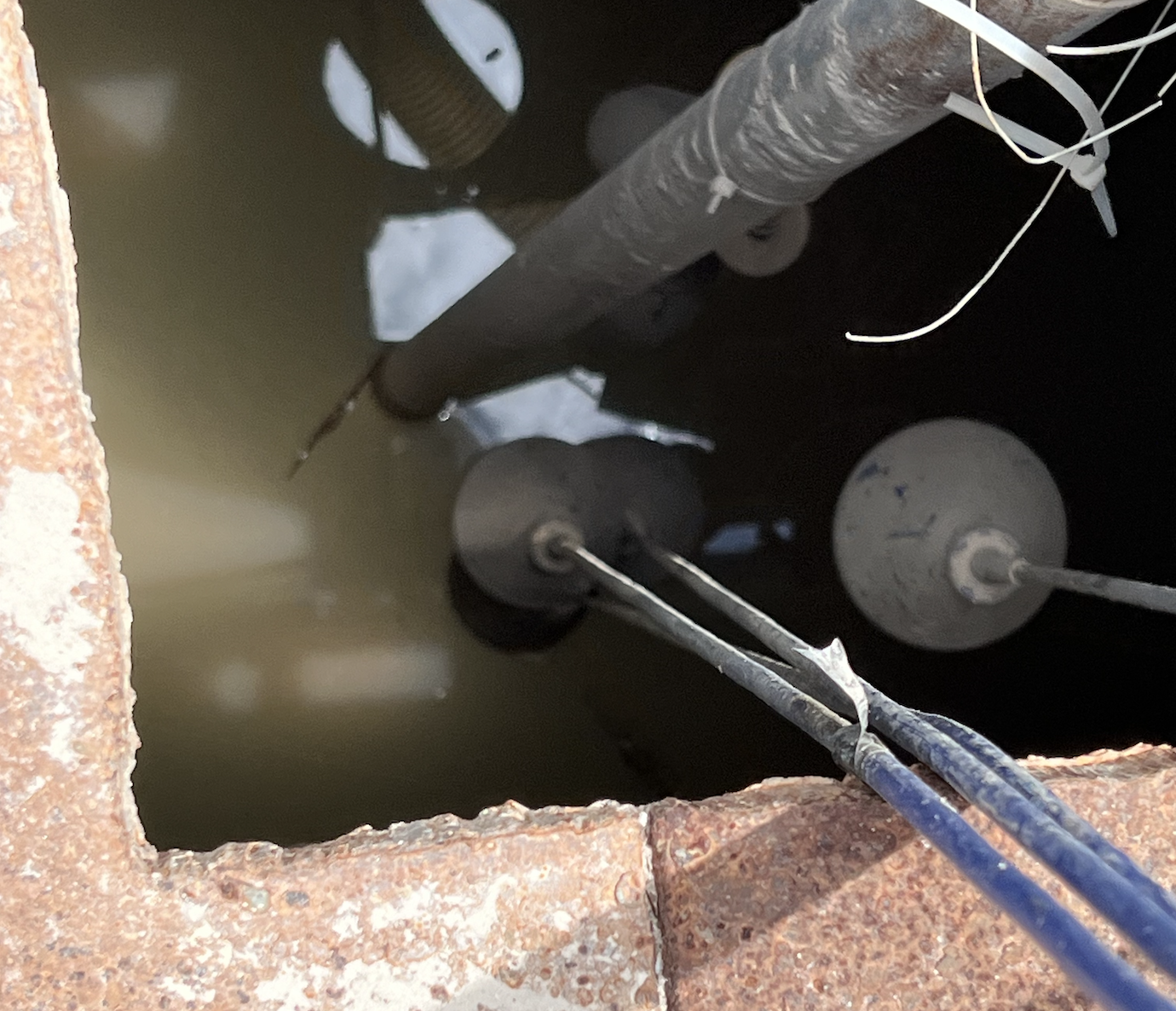
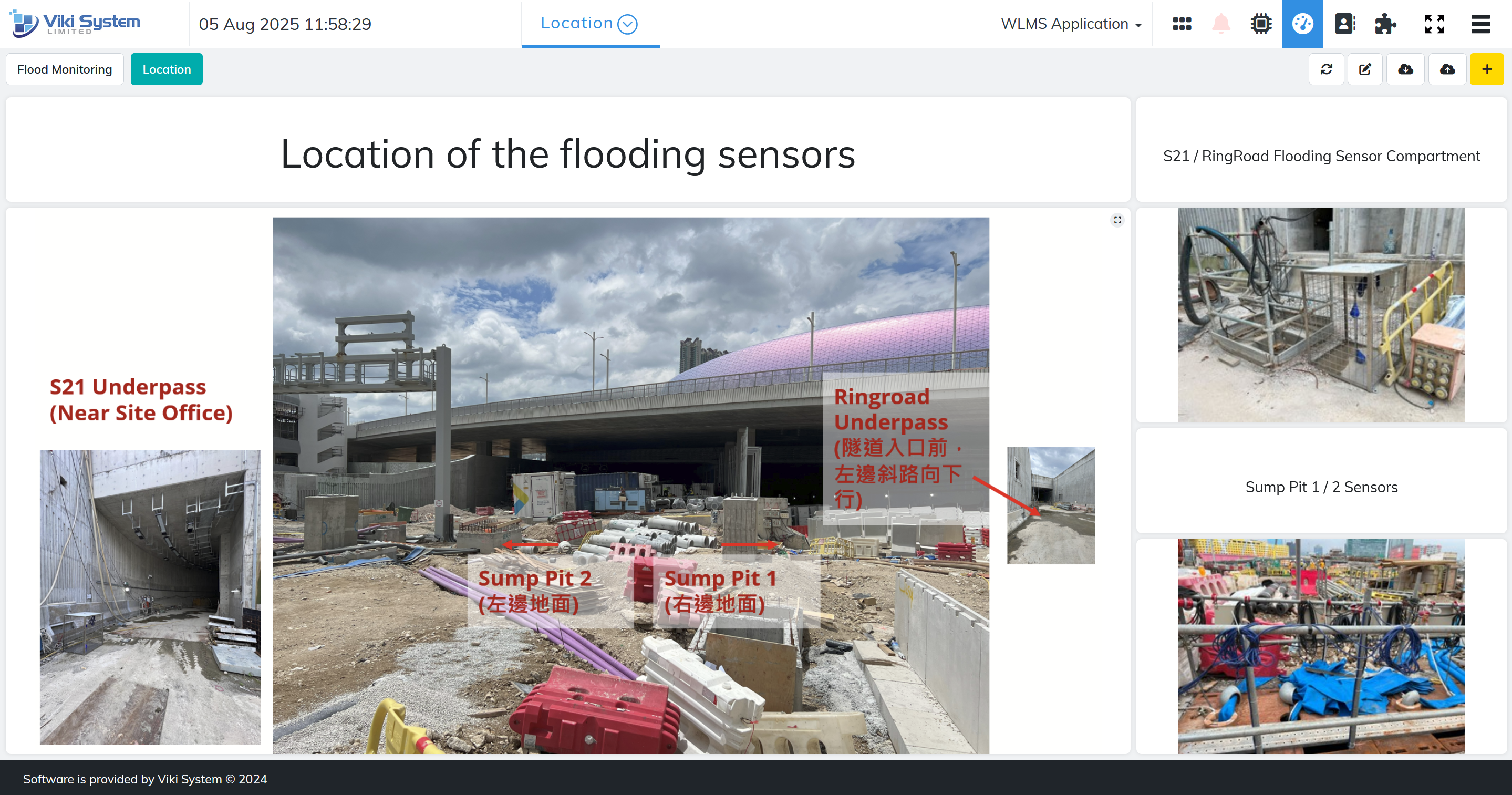
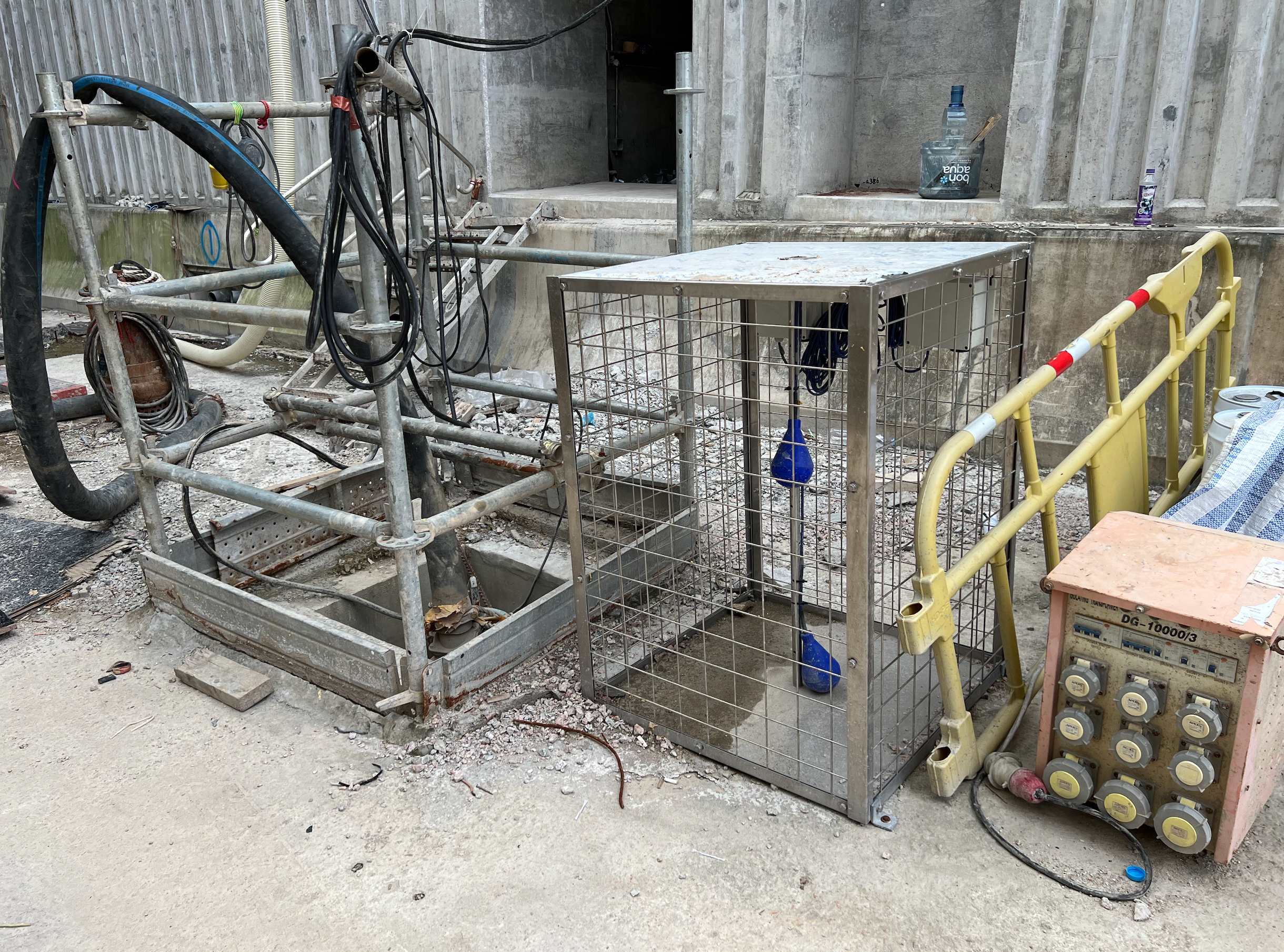
SenseOS flooding detection uses battery-powered NB-IoT wireless water-level sensors to monitor sumps, underground passages and low-lying areas. When water reaches a graded alert level from low to critical, or a pump fails, the platform notifies the site team immediately so pumping and drainage can start sooner. Most locations are installed within half a day, with no cabling or drainage works.
Wireless installation, battery powered
Graded alerts|Low / medium / high / critical water-level thresholds
API|Connect data to your existing systems
How it works
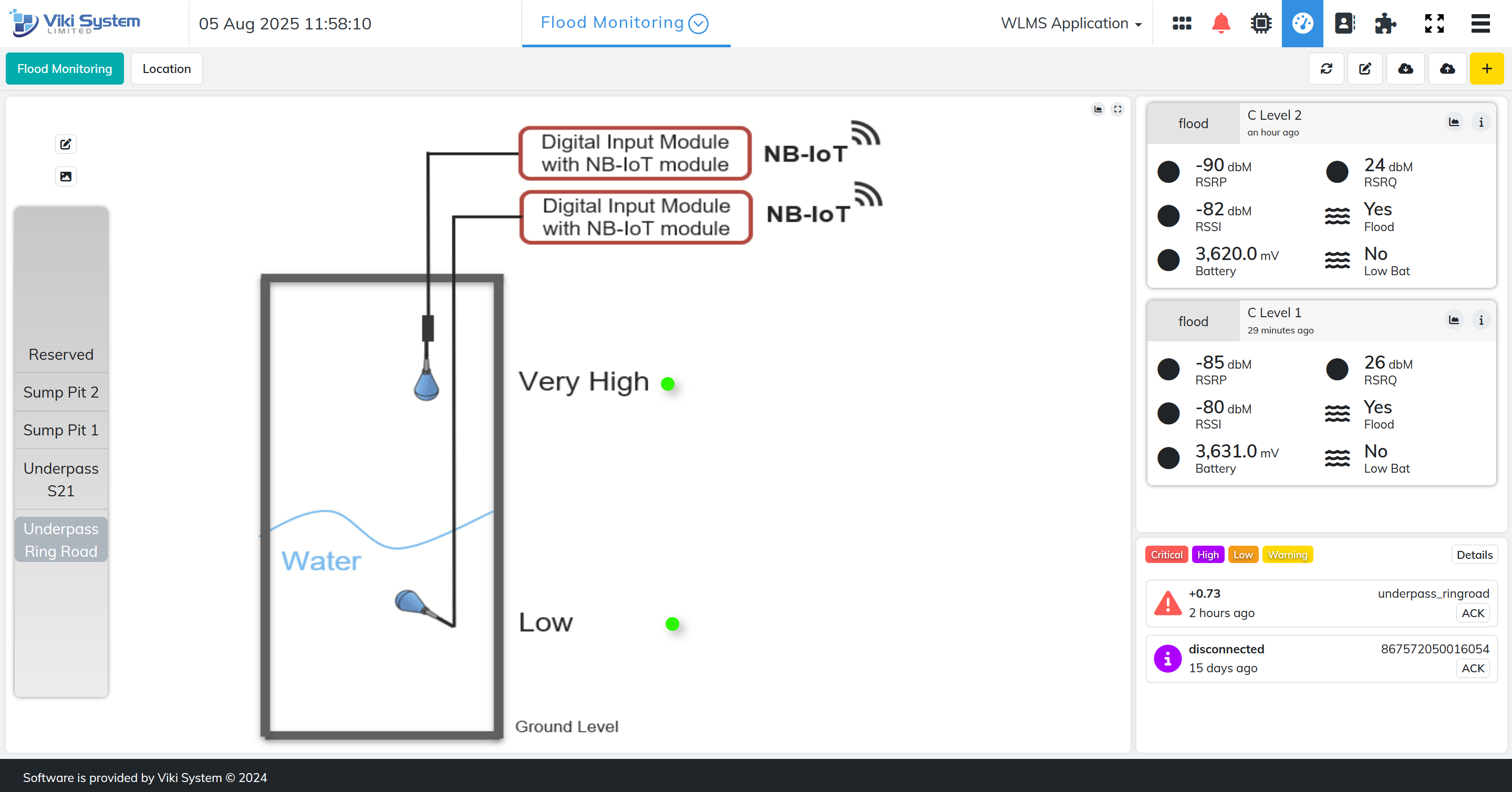
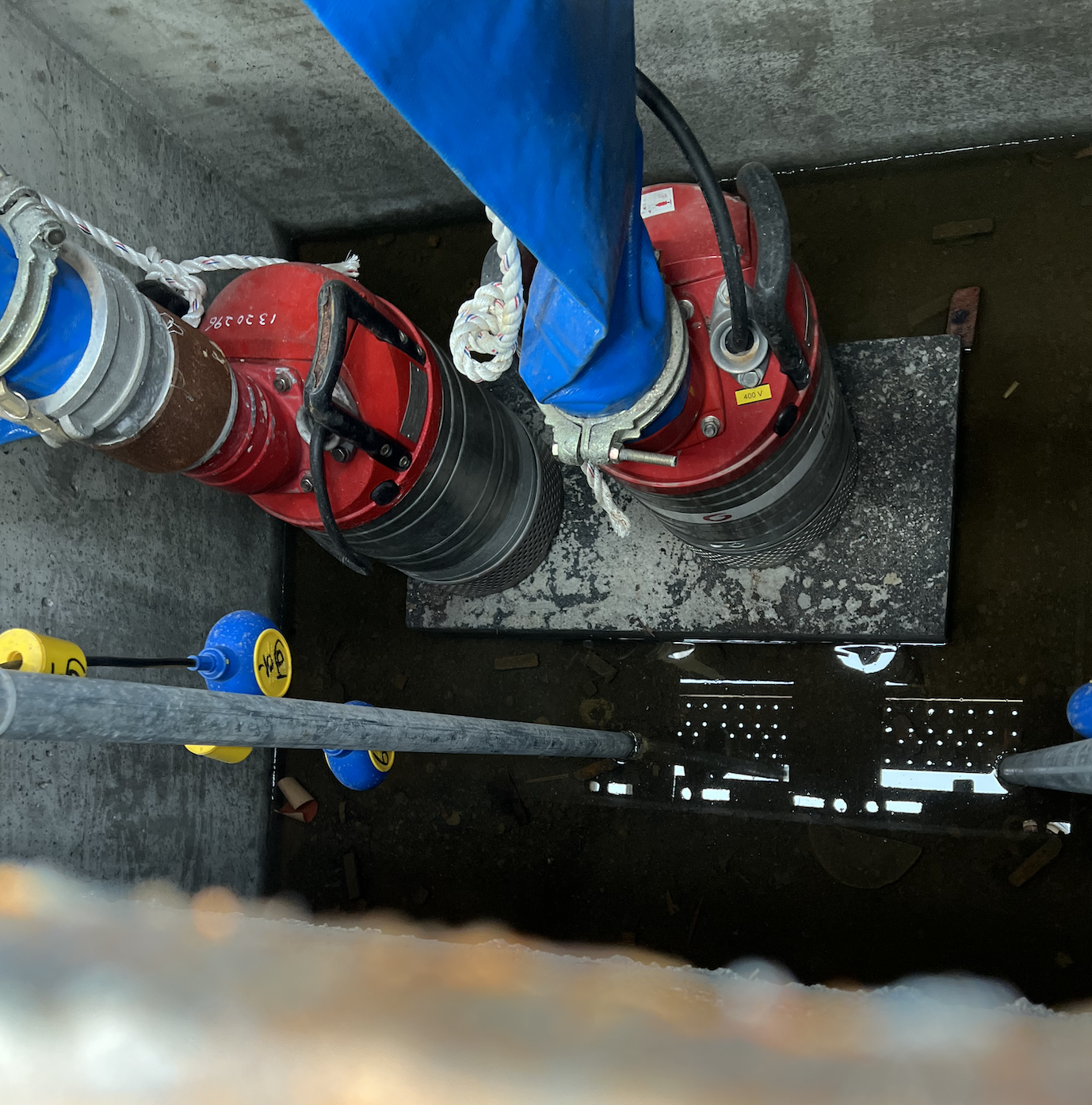
When water reaches each sensor, the matching alert level is triggered.
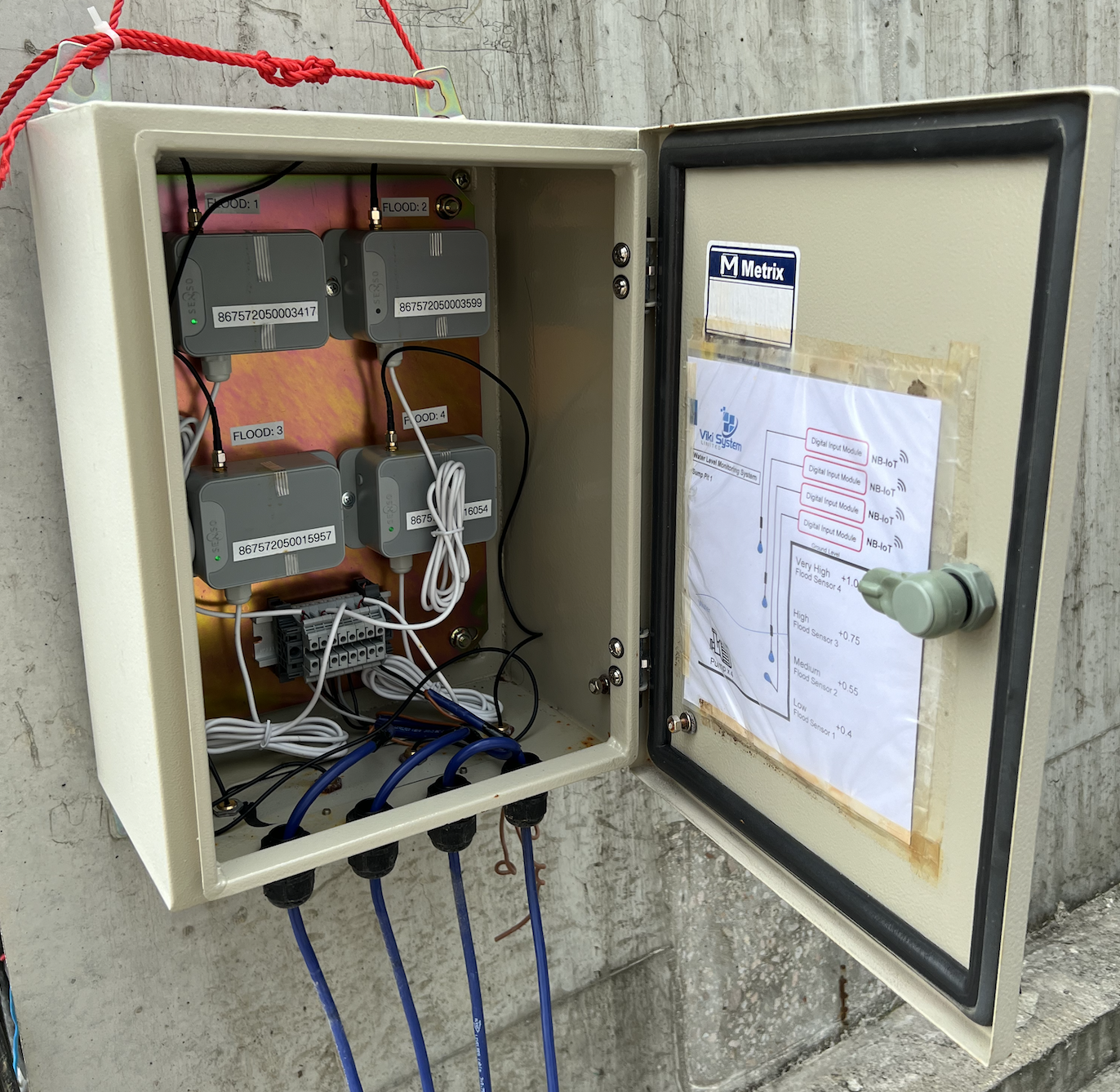 NB-IoT module
Readings are sent to SenseOS over the NB-IoT network
Workflow
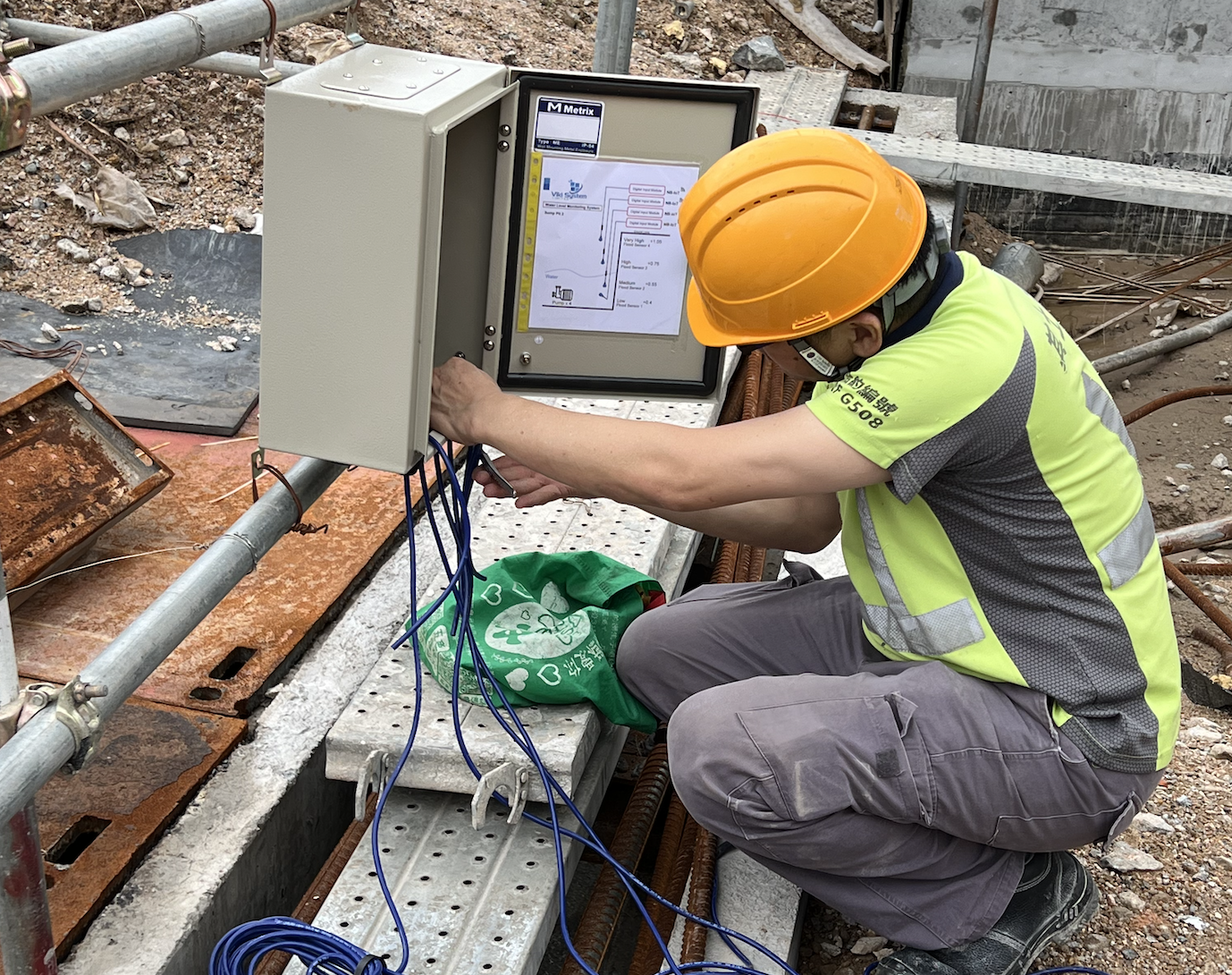
01Wireless and battery-powered, typically done in half a day
02Sensors report on schedule and send data over NB-IoT
 03
03Data is evaluated 24/7 against preset risk formulas
 04
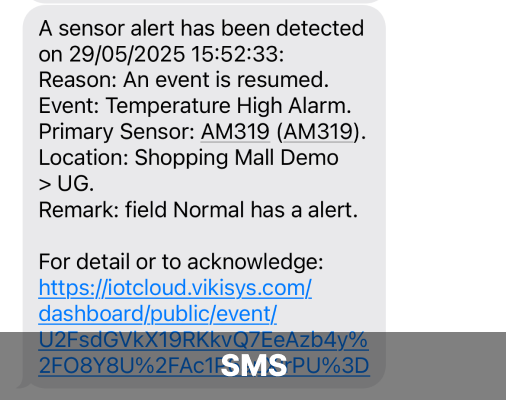
04SMS, voice call, email and WhatsApp alerts to the right people
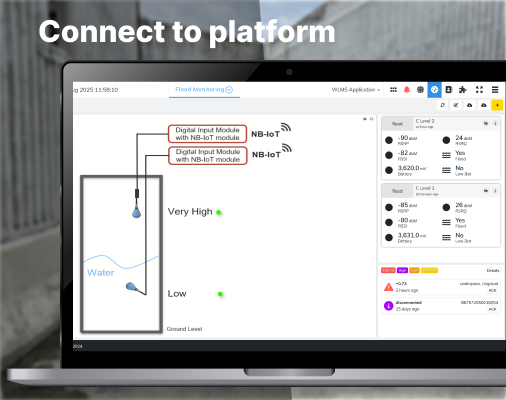
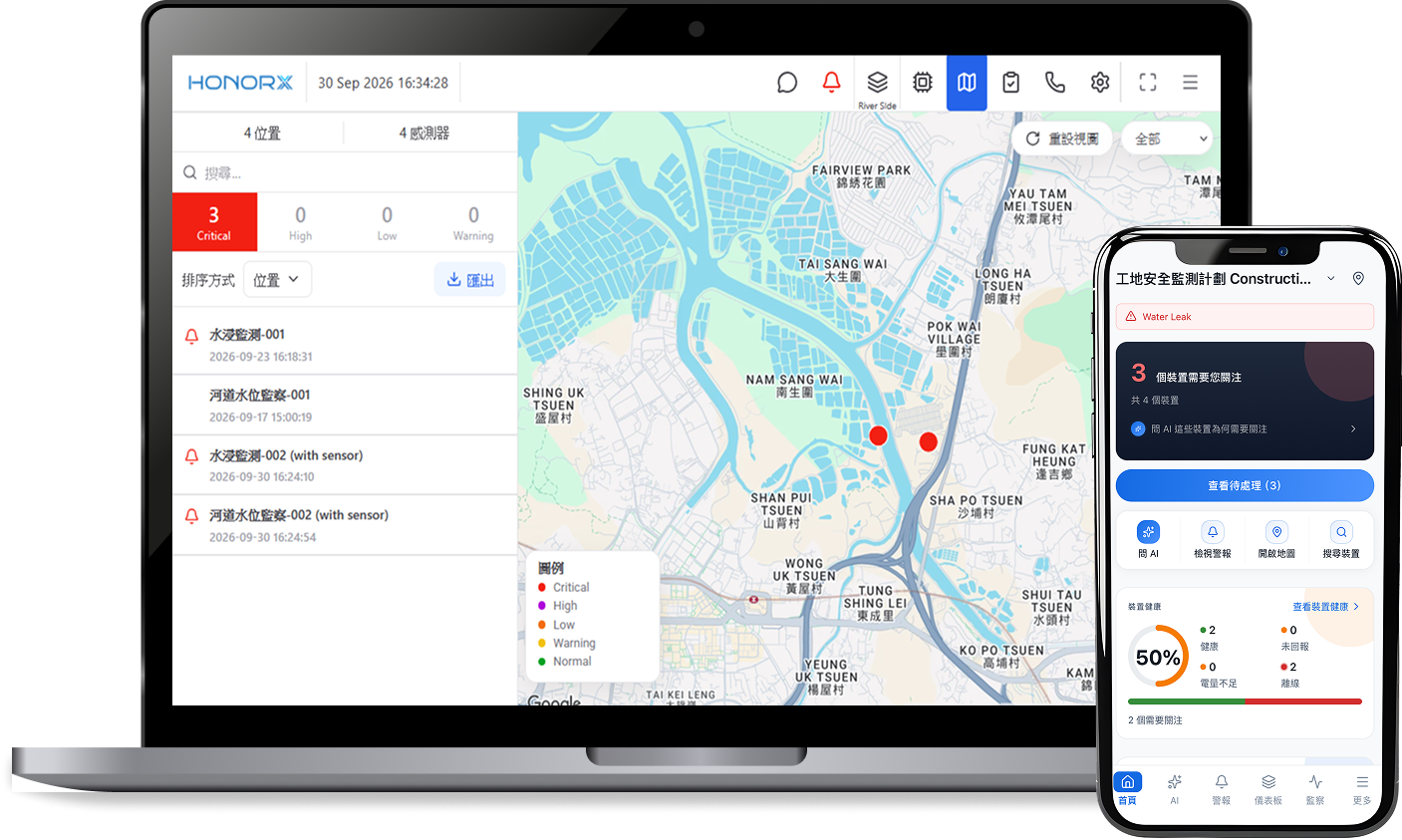
Web and mobile views show water levels, alert history and pump status. Data can return to customer systems through API, while more monitoring applications can be added later.
Customer example
Pumping started before the water level rose
Most locations can be completed within half a day. Wireless, battery-powered sensors require no cabling or drainage work.
Around two years in normal use. The platform and app remind you when battery levels are low.
From low to critical, with recipients and notification channels configurable for each level.
Historical data is stored in the cloud and can be exported as Excel or PDF reports.
Multiple recipients and schedules can be configured for SMS, WhatsApp, email or voice calls.
Data can be returned to customer or government systems through API, or used independently.
Based on monitoring points and service period, quoted after site assessment.
Local support is available, with free replacement during the hardware warranty period.
Why Viki System
Viki System Limited is a Hong Kong IoT engineering company. Our local team builds and maintains the SenseOS platform in-house, and we handle hardware selection, on-site installation, platform integration and ongoing support, so you deal with a single supplier.
100% locally developed
SenseOS is built in Hong Kong by a team that knows local regulations, with no waiting on overseas vendors.
End-to-end delivery
Hardware selection, installation by our local engineers, integration and testing from one supplier.
EMSD
30%faster maintenance response
Real-time monitoring and automatic alerts across 1,800+ traffic lights, 200+ pumps and 600+ lifts.
MTR
1,000+track access gates monitored 24/7
Instant alerts on unauthorised opening, reducing unauthorised track access.






Have a question or want to book a demo? Fill in the form below and we will get back to you shortly.
Address
Room B, 20/F, Ford Glory Plaza, 37 Wing Hong Street, Cheung Sha Wan, Kowloon
(Lai Chi Kok MTR Station, Exit C)
Phone
3956-1190Website
www.vikisys.com